United States - English
Canada - English
Canada - Français
Mexico - English
Mexico - Español
Latin America - English
Latin America - Español
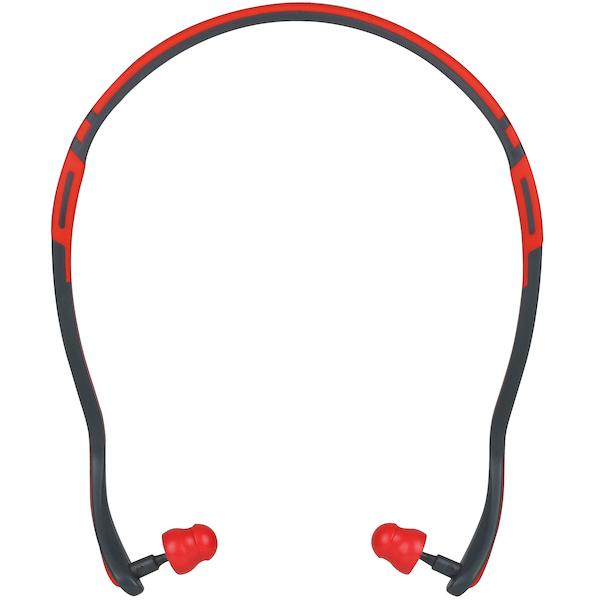
Ear PlugsPIP® NP267HPB410
General Purpose Gloves - CoatedATG® MaxiFlex® Ultimate™GP34874
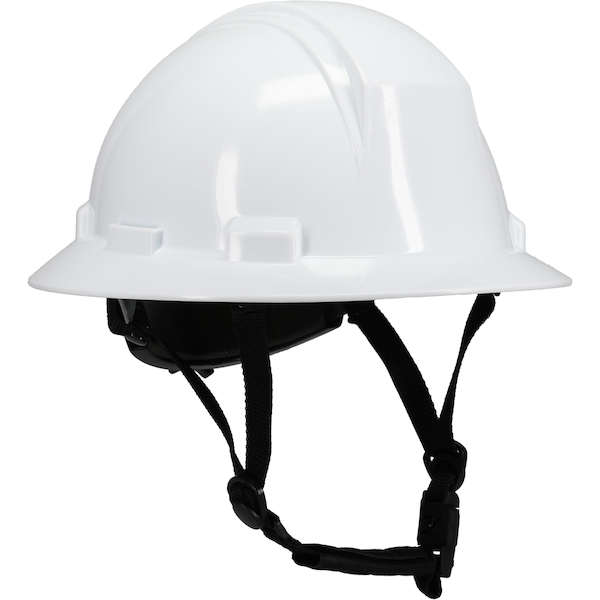
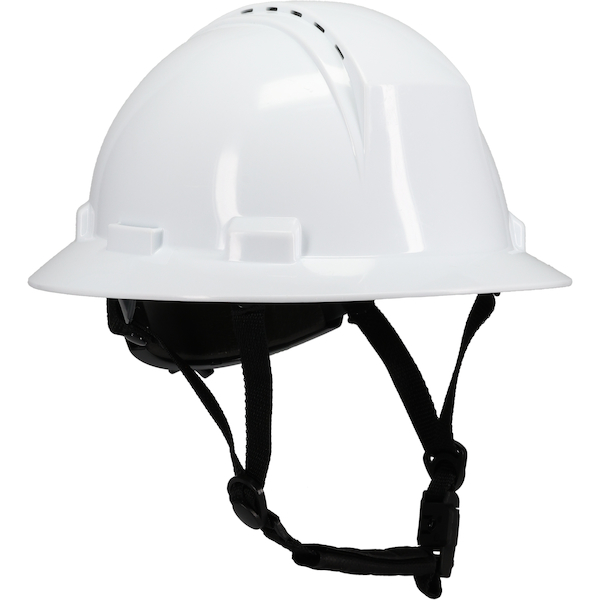
Safety HelmetsPIP® Traverse™HP1491RVM
Cut Resistant GlovesATG® MaxiFlex® Cut™GP348743
Protection From ColdG-Tek® PolyKor®GP411417
Safety HelmetsPIP® Kilimanjaro™HP642R-MCH
Safety HelmetsPIP® Kilimanjaro™HP642RV-MCH
Safety HelmetsPIP® Traverse™HP1491RM
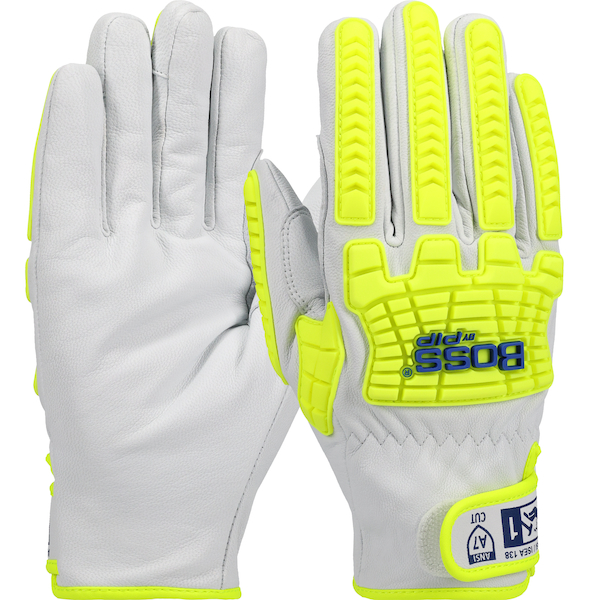
Hi Performance GloveBoss® GP9916
Heated ApparelBoss® Therm™PC300HV100U
WarmingPIP® GP399HEATPACK
United States - English
Canada - English
Canada - Français
Mexico - English
Mexico - Español
Latin America - English
Latin America - Español
PIP® offers one of the widest ranges of coated seamless knit cut resistant gloves in the world, featuring leading brands like ATG®, G-Tek® and more. The use of cut resistant gloves has increased considerably over the years and we've led the charge with the introductions of innovative engineered yarn blends and grip technologies. Trust PIP® for every cut resistant glove need, no matter the spec, required feature, or budget.

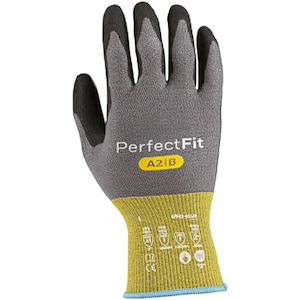
GP16368
Cut Level: A3
Test Method: ASTM F2992-15
Puncture Level: 2
Test Method: ASTM F1342
Abrasion Level: 4
Test Method: ASTM D3389-10
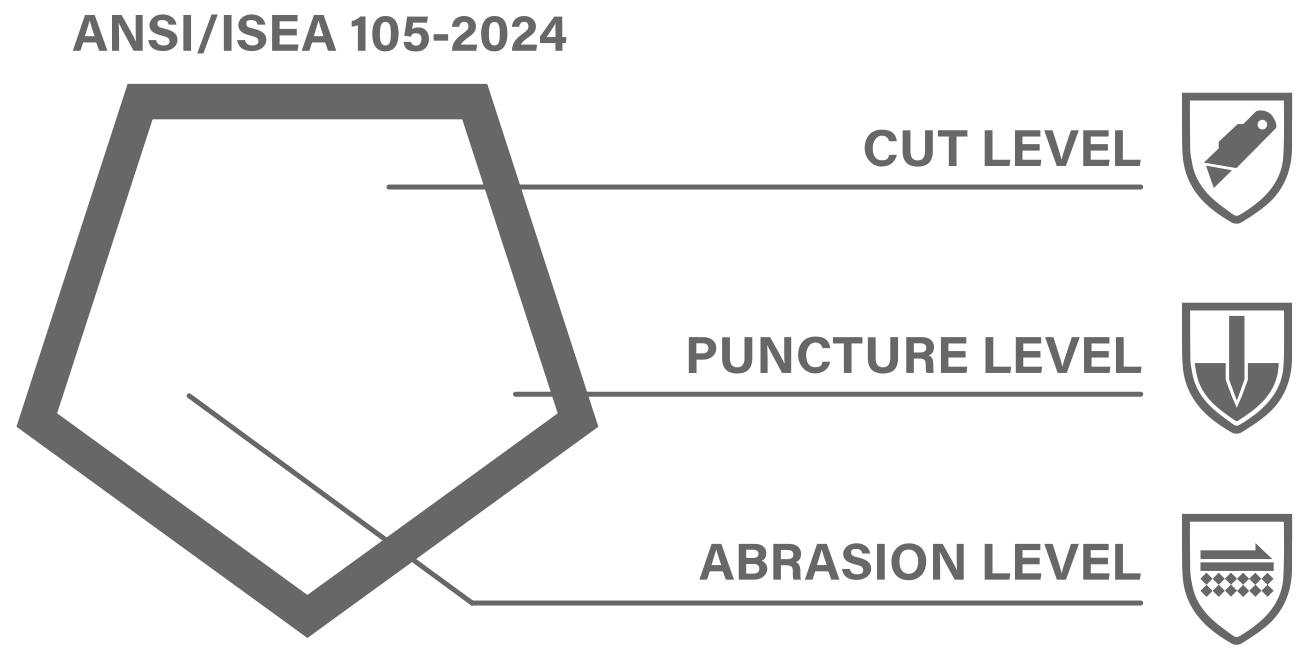
ANSI/ISEA has released a new edition of the ANSI/ISEA 105 standard (2024 ed). The changes include a new standardized glove label for easier identification of key protection levels for both distributors and end-users. The new pentagon marking was created to simplify and standardize the identification of protective glove performance levels, including abrasion, cut, and puncture resistance. By consolidating this information into a single, easily recognizable label, it improves usability for workers and reduces the risk of selecting inadequate protection. Learn more.
New edition ANSI/ISEA 105-2024 outlines a new test method for determining cut scores and a revised scale from A1-A9. Click here for more information about the new testing standard.
The ANSI/ISEA 105-2024 standard outlines test methods for abrasion and is scored from 0-6. The ASTM D3389-10 is used for uncoated gloves and the end point (failure) is the number of abrasion cycles when the first thread or yarn is broken. The larger numbers of cycles indicates greater abrasion resistance of the product and a higher Abrasion Level.
The ANSI/ISEA 105-2024 blunt force puncture testing uses a probe to simulate a tear or burst hazard. The test measures the amount of force needed for a blunt probe to pierce through PPE material. Results are given in Newtons, which is converted into a 1-5 scale and spans from 10 newtons (Level 1) to 150+ newtons (Level 5) of puncture resistance.
EN 388 is a European Standard. Cut Level is determined by the number of cycles it takes a spinning circular blade, that is pulled across the material under a constant weight of 500 grams, to cut the fabric. As the number of cycles increase, so does the glove's ratings. Click here for more information about the EN 388 2016 standard.
EN 16350 European standard defines the test conditions and requirements for electrostatic properties of protective gloves used in ATEX area (Atmosphere Explosive). The vertical resistance must be below 108 Ω.

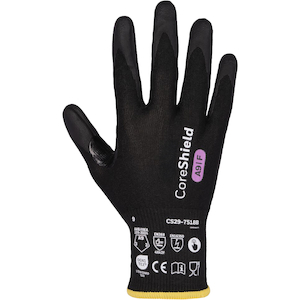
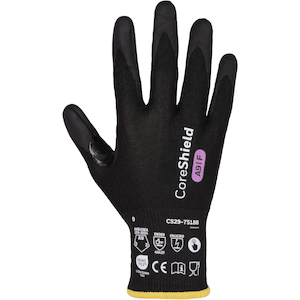
CS29-7518B
Cut Level: A9
Test Method: ASTM F2992-15
Puncture Level: 3
Test Method: ASTM F1342
Abrasion Level: 3
Test Method: ASTM D3389-10
ANSI/ISEA has released a new edition of the ANSI/ISEA 105 standard (2024 ed). The changes include a new standardized glove label for easier identification of key protection levels for both distributors and end-users. The new pentagon marking was created to simplify and standardize the identification of protective glove performance levels, including abrasion, cut, and puncture resistance. By consolidating this information into a single, easily recognizable label, it improves usability for workers and reduces the risk of selecting inadequate protection. Learn more.
New edition ANSI/ISEA 105-2024 outlines a new test method for determining cut scores and a revised scale from A1-A9. Click here for more information about the new testing standard.
The ANSI/ISEA 105-2024 standard outlines test methods for abrasion and is scored from 0-6. The ASTM D3389-10 is used for uncoated gloves and the end point (failure) is the number of abrasion cycles when the first thread or yarn is broken. The larger numbers of cycles indicates greater abrasion resistance of the product and a higher Abrasion Level.
The ANSI/ISEA 105-2024 blunt force puncture testing uses a probe to simulate a tear or burst hazard. The test measures the amount of force needed for a blunt probe to pierce through PPE material. Results are given in Newtons, which is converted into a 1-5 scale and spans from 10 newtons (Level 1) to 150+ newtons (Level 5) of puncture resistance.
EN 388 is a European Standard. Cut Level is determined by the number of cycles it takes a spinning circular blade, that is pulled across the material under a constant weight of 500 grams, to cut the fabric. As the number of cycles increase, so does the glove's ratings. Click here for more information about the EN 388 2016 standard.
EN 16350 European standard defines the test conditions and requirements for electrostatic properties of protective gloves used in ATEX area (Atmosphere Explosive). The vertical resistance must be below 108 Ω.
ESD is an acronym for electrostatic discharge. This discharge is the rapid transfer of static between two different objects. Although ESD doesn’t typically cause harm to the human body - you might only experience it as a small, surprising shock - it can cause extensive damage to electrical equipment and sensitive instruments. This damage may either be permanent, causing the device to malfunction (known as a catastrophic failure), or it may occur on a smaller scale that would be difficult to detect before the device is sent out for service (known as latent defect).

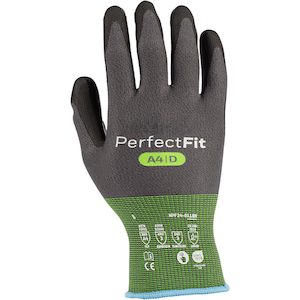
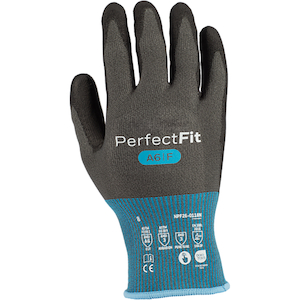
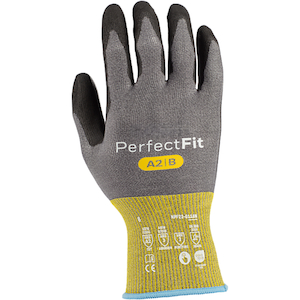
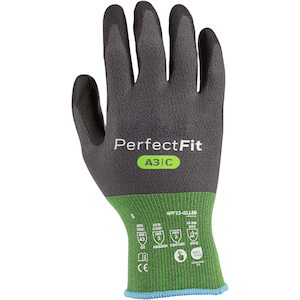
NPF24-0118N
Cut Level: A4
Test Method: ASTM F2992-15
Puncture Level: 3
Test Method: ASTM F1342
Abrasion Level: 3
Test Method: ASTM D3389-10
ANSI/ISEA has released a new edition of the ANSI/ISEA 105 standard (2024 ed). The changes include a new standardized glove label for easier identification of key protection levels for both distributors and end-users. The new pentagon marking was created to simplify and standardize the identification of protective glove performance levels, including abrasion, cut, and puncture resistance. By consolidating this information into a single, easily recognizable label, it improves usability for workers and reduces the risk of selecting inadequate protection. Learn more.
New edition ANSI/ISEA 105-2024 outlines a new test method for determining cut scores and a revised scale from A1-A9. Click here for more information about the new testing standard.
The ANSI/ISEA 105-2024 standard outlines test methods for abrasion and is scored from 0-6. The ASTM D3389-10 is used for uncoated gloves and the end point (failure) is the number of abrasion cycles when the first thread or yarn is broken. The larger numbers of cycles indicates greater abrasion resistance of the product and a higher Abrasion Level.
The ANSI/ISEA 105-2024 blunt force puncture testing uses a probe to simulate a tear or burst hazard. The test measures the amount of force needed for a blunt probe to pierce through PPE material. Results are given in Newtons, which is converted into a 1-5 scale and spans from 10 newtons (Level 1) to 150+ newtons (Level 5) of puncture resistance.
EN 388 is a European Standard. Cut Level is determined by the number of cycles it takes a spinning circular blade, that is pulled across the material under a constant weight of 500 grams, to cut the fabric. As the number of cycles increase, so does the glove's ratings. Click here for more information about the EN 388 2016 standard.
EN 16350 European standard defines the test conditions and requirements for electrostatic properties of protective gloves used in ATEX area (Atmosphere Explosive). The vertical resistance must be below 108 Ω.
ESD is an acronym for electrostatic discharge. This discharge is the rapid transfer of static between two different objects. Although ESD doesn’t typically cause harm to the human body - you might only experience it as a small, surprising shock - it can cause extensive damage to electrical equipment and sensitive instruments. This damage may either be permanent, causing the device to malfunction (known as a catastrophic failure), or it may occur on a smaller scale that would be difficult to detect before the device is sent out for service (known as latent defect).

NPF24-0118N-V
Cut Level: A4
Test Method: ASTM F2992-15
Puncture Level: 3
Test Method: ASTM F1342
Abrasion Level: 3
Test Method: ASTM D3389-10
ANSI/ISEA has released a new edition of the ANSI/ISEA 105 standard (2024 ed). The changes include a new standardized glove label for easier identification of key protection levels for both distributors and end-users. The new pentagon marking was created to simplify and standardize the identification of protective glove performance levels, including abrasion, cut, and puncture resistance. By consolidating this information into a single, easily recognizable label, it improves usability for workers and reduces the risk of selecting inadequate protection. Learn more.
New edition ANSI/ISEA 105-2024 outlines a new test method for determining cut scores and a revised scale from A1-A9. Click here for more information about the new testing standard.
The ANSI/ISEA 105-2024 standard outlines test methods for abrasion and is scored from 0-6. The ASTM D3389-10 is used for uncoated gloves and the end point (failure) is the number of abrasion cycles when the first thread or yarn is broken. The larger numbers of cycles indicates greater abrasion resistance of the product and a higher Abrasion Level.
The ANSI/ISEA 105-2024 blunt force puncture testing uses a probe to simulate a tear or burst hazard. The test measures the amount of force needed for a blunt probe to pierce through PPE material. Results are given in Newtons, which is converted into a 1-5 scale and spans from 10 newtons (Level 1) to 150+ newtons (Level 5) of puncture resistance.
EN 388 is a European Standard. Cut Level is determined by the number of cycles it takes a spinning circular blade, that is pulled across the material under a constant weight of 500 grams, to cut the fabric. As the number of cycles increase, so does the glove's ratings. Click here for more information about the EN 388 2016 standard.
EN 16350 European standard defines the test conditions and requirements for electrostatic properties of protective gloves used in ATEX area (Atmosphere Explosive). The vertical resistance must be below 108 Ω.
ESD is an acronym for electrostatic discharge. This discharge is the rapid transfer of static between two different objects. Although ESD doesn’t typically cause harm to the human body - you might only experience it as a small, surprising shock - it can cause extensive damage to electrical equipment and sensitive instruments. This damage may either be permanent, causing the device to malfunction (known as a catastrophic failure), or it may occur on a smaller scale that would be difficult to detect before the device is sent out for service (known as latent defect).

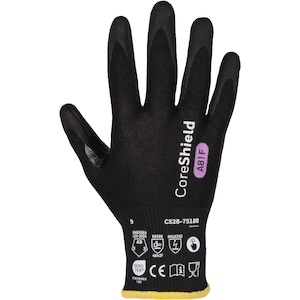
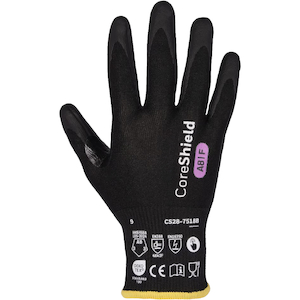
CS28-7518B
Cut Level: A8
Test Method: ASTM F2992-15
Puncture Level: 3
Test Method: ASTM F1342
Abrasion Level: 3
Test Method: ASTM D3389-10
ANSI/ISEA has released a new edition of the ANSI/ISEA 105 standard (2024 ed). The changes include a new standardized glove label for easier identification of key protection levels for both distributors and end-users. The new pentagon marking was created to simplify and standardize the identification of protective glove performance levels, including abrasion, cut, and puncture resistance. By consolidating this information into a single, easily recognizable label, it improves usability for workers and reduces the risk of selecting inadequate protection. Learn more.
New edition ANSI/ISEA 105-2024 outlines a new test method for determining cut scores and a revised scale from A1-A9. Click here for more information about the new testing standard.
The ANSI/ISEA 105-2024 standard outlines test methods for abrasion and is scored from 0-6. The ASTM D3389-10 is used for uncoated gloves and the end point (failure) is the number of abrasion cycles when the first thread or yarn is broken. The larger numbers of cycles indicates greater abrasion resistance of the product and a higher Abrasion Level.
The ANSI/ISEA 105-2024 blunt force puncture testing uses a probe to simulate a tear or burst hazard. The test measures the amount of force needed for a blunt probe to pierce through PPE material. Results are given in Newtons, which is converted into a 1-5 scale and spans from 10 newtons (Level 1) to 150+ newtons (Level 5) of puncture resistance.
EN 388 is a European Standard. Cut Level is determined by the number of cycles it takes a spinning circular blade, that is pulled across the material under a constant weight of 500 grams, to cut the fabric. As the number of cycles increase, so does the glove's ratings. Click here for more information about the EN 388 2016 standard.
EN 16350 European standard defines the test conditions and requirements for electrostatic properties of protective gloves used in ATEX area (Atmosphere Explosive). The vertical resistance must be below 108 Ω.
ESD is an acronym for electrostatic discharge. This discharge is the rapid transfer of static between two different objects. Although ESD doesn’t typically cause harm to the human body - you might only experience it as a small, surprising shock - it can cause extensive damage to electrical equipment and sensitive instruments. This damage may either be permanent, causing the device to malfunction (known as a catastrophic failure), or it may occur on a smaller scale that would be difficult to detect before the device is sent out for service (known as latent defect).

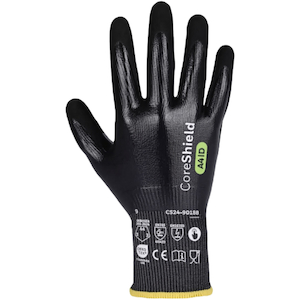
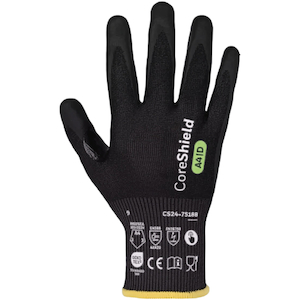
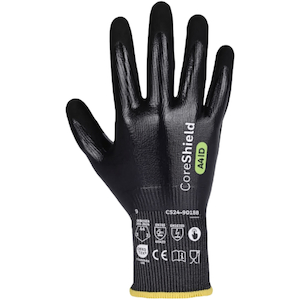
CS24-9D18B
Cut Level: A4
Test Method: ASTM F2992-15
Puncture Level: 3
Test Method: ASTM F1342
Abrasion Level: 3
Test Method: ASTM D3389-10
ANSI/ISEA has released a new edition of the ANSI/ISEA 105 standard (2024 ed). The changes include a new standardized glove label for easier identification of key protection levels for both distributors and end-users. The new pentagon marking was created to simplify and standardize the identification of protective glove performance levels, including abrasion, cut, and puncture resistance. By consolidating this information into a single, easily recognizable label, it improves usability for workers and reduces the risk of selecting inadequate protection. Learn more.
New edition ANSI/ISEA 105-2024 outlines a new test method for determining cut scores and a revised scale from A1-A9. Click here for more information about the new testing standard.
The ANSI/ISEA 105-2024 standard outlines test methods for abrasion and is scored from 0-6. The ASTM D3389-10 is used for uncoated gloves and the end point (failure) is the number of abrasion cycles when the first thread or yarn is broken. The larger numbers of cycles indicates greater abrasion resistance of the product and a higher Abrasion Level.
The ANSI/ISEA 105-2024 blunt force puncture testing uses a probe to simulate a tear or burst hazard. The test measures the amount of force needed for a blunt probe to pierce through PPE material. Results are given in Newtons, which is converted into a 1-5 scale and spans from 10 newtons (Level 1) to 150+ newtons (Level 5) of puncture resistance.
EN 388 is a European Standard. Cut Level is determined by the number of cycles it takes a spinning circular blade, that is pulled across the material under a constant weight of 500 grams, to cut the fabric. As the number of cycles increase, so does the glove's ratings. Click here for more information about the EN 388 2016 standard.
EN 16350 European standard defines the test conditions and requirements for electrostatic properties of protective gloves used in ATEX area (Atmosphere Explosive). The vertical resistance must be below 108 Ω.
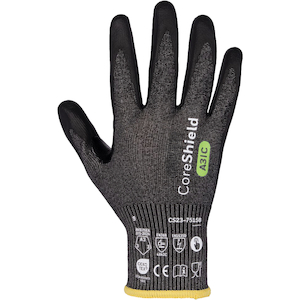
ESD is an acronym for electrostatic discharge. This discharge is the rapid transfer of static between two different objects. Although ESD doesn’t typically cause harm to the human body - you might only experience it as a small, surprising shock - it can cause extensive damage to electrical equipment and sensitive instruments. This damage may either be permanent, causing the device to malfunction (known as a catastrophic failure), or it may occur on a smaller scale that would be difficult to detect before the device is sent out for service (known as latent defect).

NPF26-0118N
Cut Level: A6
Test Method: ASTM F2992-15
Puncture Level: 3
Test Method: ASTM F1342
Abrasion Level: 3
Test Method: ASTM D3389-10
ANSI/ISEA has released a new edition of the ANSI/ISEA 105 standard (2024 ed). The changes include a new standardized glove label for easier identification of key protection levels for both distributors and end-users. The new pentagon marking was created to simplify and standardize the identification of protective glove performance levels, including abrasion, cut, and puncture resistance. By consolidating this information into a single, easily recognizable label, it improves usability for workers and reduces the risk of selecting inadequate protection. Learn more.
New edition ANSI/ISEA 105-2024 outlines a new test method for determining cut scores and a revised scale from A1-A9. Click here for more information about the new testing standard.
The ANSI/ISEA 105-2024 standard outlines test methods for abrasion and is scored from 0-6. The ASTM D3389-10 is used for uncoated gloves and the end point (failure) is the number of abrasion cycles when the first thread or yarn is broken. The larger numbers of cycles indicates greater abrasion resistance of the product and a higher Abrasion Level.
The ANSI/ISEA 105-2024 blunt force puncture testing uses a probe to simulate a tear or burst hazard. The test measures the amount of force needed for a blunt probe to pierce through PPE material. Results are given in Newtons, which is converted into a 1-5 scale and spans from 10 newtons (Level 1) to 150+ newtons (Level 5) of puncture resistance.
EN 388 is a European Standard. Cut Level is determined by the number of cycles it takes a spinning circular blade, that is pulled across the material under a constant weight of 500 grams, to cut the fabric. As the number of cycles increase, so does the glove's ratings. Click here for more information about the EN 388 2016 standard.
EN 16350 European standard defines the test conditions and requirements for electrostatic properties of protective gloves used in ATEX area (Atmosphere Explosive). The vertical resistance must be below 108 Ω.
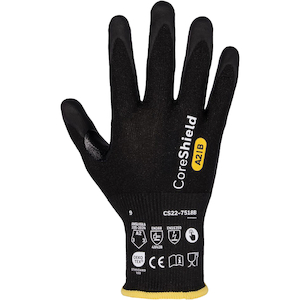
ESD is an acronym for electrostatic discharge. This discharge is the rapid transfer of static between two different objects. Although ESD doesn’t typically cause harm to the human body - you might only experience it as a small, surprising shock - it can cause extensive damage to electrical equipment and sensitive instruments. This damage may either be permanent, causing the device to malfunction (known as a catastrophic failure), or it may occur on a smaller scale that would be difficult to detect before the device is sent out for service (known as latent defect).

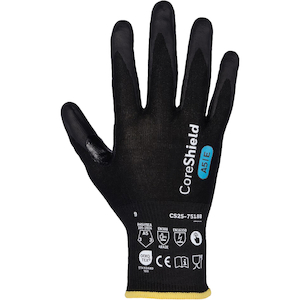
CS25-7518B
Cut Level: A5
Test Method: ASTM F2992-15
Puncture Level: 3
Test Method: ASTM F1342
Abrasion Level: 3
Test Method: ASTM D3389-10
ANSI/ISEA has released a new edition of the ANSI/ISEA 105 standard (2024 ed). The changes include a new standardized glove label for easier identification of key protection levels for both distributors and end-users. The new pentagon marking was created to simplify and standardize the identification of protective glove performance levels, including abrasion, cut, and puncture resistance. By consolidating this information into a single, easily recognizable label, it improves usability for workers and reduces the risk of selecting inadequate protection. Learn more.
New edition ANSI/ISEA 105-2024 outlines a new test method for determining cut scores and a revised scale from A1-A9. Click here for more information about the new testing standard.
The ANSI/ISEA 105-2024 standard outlines test methods for abrasion and is scored from 0-6. The ASTM D3389-10 is used for uncoated gloves and the end point (failure) is the number of abrasion cycles when the first thread or yarn is broken. The larger numbers of cycles indicates greater abrasion resistance of the product and a higher Abrasion Level.
The ANSI/ISEA 105-2024 blunt force puncture testing uses a probe to simulate a tear or burst hazard. The test measures the amount of force needed for a blunt probe to pierce through PPE material. Results are given in Newtons, which is converted into a 1-5 scale and spans from 10 newtons (Level 1) to 150+ newtons (Level 5) of puncture resistance.
EN 388 is a European Standard. Cut Level is determined by the number of cycles it takes a spinning circular blade, that is pulled across the material under a constant weight of 500 grams, to cut the fabric. As the number of cycles increase, so does the glove's ratings. Click here for more information about the EN 388 2016 standard.
EN 16350 European standard defines the test conditions and requirements for electrostatic properties of protective gloves used in ATEX area (Atmosphere Explosive). The vertical resistance must be below 108 Ω.
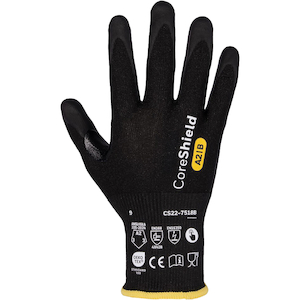
ESD is an acronym for electrostatic discharge. This discharge is the rapid transfer of static between two different objects. Although ESD doesn’t typically cause harm to the human body - you might only experience it as a small, surprising shock - it can cause extensive damage to electrical equipment and sensitive instruments. This damage may either be permanent, causing the device to malfunction (known as a catastrophic failure), or it may occur on a smaller scale that would be difficult to detect before the device is sent out for service (known as latent defect).

NPF22-0118N-V
Cut Level: A2
Test Method: ASTM F2992-15
Puncture Level: 4
Test Method: ASTM F1342
Abrasion Level: 3
Test Method: ASTM D3389-10
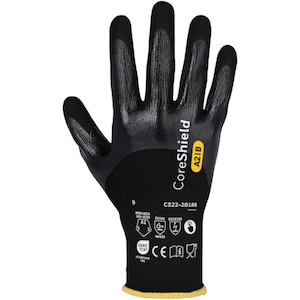
ANSI/ISEA has released a new edition of the ANSI/ISEA 105 standard (2024 ed). The changes include a new standardized glove label for easier identification of key protection levels for both distributors and end-users. The new pentagon marking was created to simplify and standardize the identification of protective glove performance levels, including abrasion, cut, and puncture resistance. By consolidating this information into a single, easily recognizable label, it improves usability for workers and reduces the risk of selecting inadequate protection. Learn more.
New edition ANSI/ISEA 105-2024 outlines a new test method for determining cut scores and a revised scale from A1-A9. Click here for more information about the new testing standard.
The ANSI/ISEA 105-2024 standard outlines test methods for abrasion and is scored from 0-6. The ASTM D3389-10 is used for uncoated gloves and the end point (failure) is the number of abrasion cycles when the first thread or yarn is broken. The larger numbers of cycles indicates greater abrasion resistance of the product and a higher Abrasion Level.
The ANSI/ISEA 105-2024 blunt force puncture testing uses a probe to simulate a tear or burst hazard. The test measures the amount of force needed for a blunt probe to pierce through PPE material. Results are given in Newtons, which is converted into a 1-5 scale and spans from 10 newtons (Level 1) to 150+ newtons (Level 5) of puncture resistance.
EN 388 is a European Standard. Cut Level is determined by the number of cycles it takes a spinning circular blade, that is pulled across the material under a constant weight of 500 grams, to cut the fabric. As the number of cycles increase, so does the glove's ratings. Click here for more information about the EN 388 2016 standard.
EN 16350 European standard defines the test conditions and requirements for electrostatic properties of protective gloves used in ATEX area (Atmosphere Explosive). The vertical resistance must be below 108 Ω.
ESD is an acronym for electrostatic discharge. This discharge is the rapid transfer of static between two different objects. Although ESD doesn’t typically cause harm to the human body - you might only experience it as a small, surprising shock - it can cause extensive damage to electrical equipment and sensitive instruments. This damage may either be permanent, causing the device to malfunction (known as a catastrophic failure), or it may occur on a smaller scale that would be difficult to detect before the device is sent out for service (known as latent defect).

NPF22-0118N
Cut Level: A2
Test Method: ASTM F2992-15
Puncture Level: 4
Test Method: ASTM F1342
Abrasion Level: 3
Test Method: ASTM D3389-10
ANSI/ISEA has released a new edition of the ANSI/ISEA 105 standard (2024 ed). The changes include a new standardized glove label for easier identification of key protection levels for both distributors and end-users. The new pentagon marking was created to simplify and standardize the identification of protective glove performance levels, including abrasion, cut, and puncture resistance. By consolidating this information into a single, easily recognizable label, it improves usability for workers and reduces the risk of selecting inadequate protection. Learn more.
New edition ANSI/ISEA 105-2024 outlines a new test method for determining cut scores and a revised scale from A1-A9. Click here for more information about the new testing standard.
The ANSI/ISEA 105-2024 standard outlines test methods for abrasion and is scored from 0-6. The ASTM D3389-10 is used for uncoated gloves and the end point (failure) is the number of abrasion cycles when the first thread or yarn is broken. The larger numbers of cycles indicates greater abrasion resistance of the product and a higher Abrasion Level.
The ANSI/ISEA 105-2024 blunt force puncture testing uses a probe to simulate a tear or burst hazard. The test measures the amount of force needed for a blunt probe to pierce through PPE material. Results are given in Newtons, which is converted into a 1-5 scale and spans from 10 newtons (Level 1) to 150+ newtons (Level 5) of puncture resistance.
EN 388 is a European Standard. Cut Level is determined by the number of cycles it takes a spinning circular blade, that is pulled across the material under a constant weight of 500 grams, to cut the fabric. As the number of cycles increase, so does the glove's ratings. Click here for more information about the EN 388 2016 standard.
EN 16350 European standard defines the test conditions and requirements for electrostatic properties of protective gloves used in ATEX area (Atmosphere Explosive). The vertical resistance must be below 108 Ω.
ESD is an acronym for electrostatic discharge. This discharge is the rapid transfer of static between two different objects. Although ESD doesn’t typically cause harm to the human body - you might only experience it as a small, surprising shock - it can cause extensive damage to electrical equipment and sensitive instruments. This damage may either be permanent, causing the device to malfunction (known as a catastrophic failure), or it may occur on a smaller scale that would be difficult to detect before the device is sent out for service (known as latent defect).

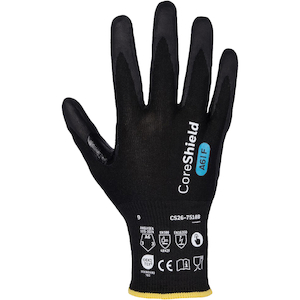
CS26-7518B
Cut Level: A6
Test Method: ASTM F2992-15
Puncture Level: 3
Test Method: ASTM F1342
Abrasion Level: 3
Test Method: ASTM D3389-10
ANSI/ISEA has released a new edition of the ANSI/ISEA 105 standard (2024 ed). The changes include a new standardized glove label for easier identification of key protection levels for both distributors and end-users. The new pentagon marking was created to simplify and standardize the identification of protective glove performance levels, including abrasion, cut, and puncture resistance. By consolidating this information into a single, easily recognizable label, it improves usability for workers and reduces the risk of selecting inadequate protection. Learn more.
New edition ANSI/ISEA 105-2024 outlines a new test method for determining cut scores and a revised scale from A1-A9. Click here for more information about the new testing standard.
The ANSI/ISEA 105-2024 standard outlines test methods for abrasion and is scored from 0-6. The ASTM D3389-10 is used for uncoated gloves and the end point (failure) is the number of abrasion cycles when the first thread or yarn is broken. The larger numbers of cycles indicates greater abrasion resistance of the product and a higher Abrasion Level.
The ANSI/ISEA 105-2024 blunt force puncture testing uses a probe to simulate a tear or burst hazard. The test measures the amount of force needed for a blunt probe to pierce through PPE material. Results are given in Newtons, which is converted into a 1-5 scale and spans from 10 newtons (Level 1) to 150+ newtons (Level 5) of puncture resistance.
EN 388 is a European Standard. Cut Level is determined by the number of cycles it takes a spinning circular blade, that is pulled across the material under a constant weight of 500 grams, to cut the fabric. As the number of cycles increase, so does the glove's ratings. Click here for more information about the EN 388 2016 standard.
EN 16350 European standard defines the test conditions and requirements for electrostatic properties of protective gloves used in ATEX area (Atmosphere Explosive). The vertical resistance must be below 108 Ω.
ESD is an acronym for electrostatic discharge. This discharge is the rapid transfer of static between two different objects. Although ESD doesn’t typically cause harm to the human body - you might only experience it as a small, surprising shock - it can cause extensive damage to electrical equipment and sensitive instruments. This damage may either be permanent, causing the device to malfunction (known as a catastrophic failure), or it may occur on a smaller scale that would be difficult to detect before the device is sent out for service (known as latent defect).

NPF26-0118N-V
Cut Level: A6
Test Method: ASTM F2992-15
Puncture Level: 3
Test Method: ASTM F1342
Abrasion Level: 3
Test Method: ASTM D3389-10
ANSI/ISEA has released a new edition of the ANSI/ISEA 105 standard (2024 ed). The changes include a new standardized glove label for easier identification of key protection levels for both distributors and end-users. The new pentagon marking was created to simplify and standardize the identification of protective glove performance levels, including abrasion, cut, and puncture resistance. By consolidating this information into a single, easily recognizable label, it improves usability for workers and reduces the risk of selecting inadequate protection. Learn more.
New edition ANSI/ISEA 105-2024 outlines a new test method for determining cut scores and a revised scale from A1-A9. Click here for more information about the new testing standard.
The ANSI/ISEA 105-2024 standard outlines test methods for abrasion and is scored from 0-6. The ASTM D3389-10 is used for uncoated gloves and the end point (failure) is the number of abrasion cycles when the first thread or yarn is broken. The larger numbers of cycles indicates greater abrasion resistance of the product and a higher Abrasion Level.
The ANSI/ISEA 105-2024 blunt force puncture testing uses a probe to simulate a tear or burst hazard. The test measures the amount of force needed for a blunt probe to pierce through PPE material. Results are given in Newtons, which is converted into a 1-5 scale and spans from 10 newtons (Level 1) to 150+ newtons (Level 5) of puncture resistance.
EN 388 is a European Standard. Cut Level is determined by the number of cycles it takes a spinning circular blade, that is pulled across the material under a constant weight of 500 grams, to cut the fabric. As the number of cycles increase, so does the glove's ratings. Click here for more information about the EN 388 2016 standard.
EN 16350 European standard defines the test conditions and requirements for electrostatic properties of protective gloves used in ATEX area (Atmosphere Explosive). The vertical resistance must be below 108 Ω.
ESD is an acronym for electrostatic discharge. This discharge is the rapid transfer of static between two different objects. Although ESD doesn’t typically cause harm to the human body - you might only experience it as a small, surprising shock - it can cause extensive damage to electrical equipment and sensitive instruments. This damage may either be permanent, causing the device to malfunction (known as a catastrophic failure), or it may occur on a smaller scale that would be difficult to detect before the device is sent out for service (known as latent defect).

NPF25-0118N-V
Cut Level: A5
Test Method: ASTM F2992-15
Puncture Level: 3
Test Method: ASTM F1342
Abrasion Level: 3
Test Method: ASTM D3389-10
ANSI/ISEA has released a new edition of the ANSI/ISEA 105 standard (2024 ed). The changes include a new standardized glove label for easier identification of key protection levels for both distributors and end-users. The new pentagon marking was created to simplify and standardize the identification of protective glove performance levels, including abrasion, cut, and puncture resistance. By consolidating this information into a single, easily recognizable label, it improves usability for workers and reduces the risk of selecting inadequate protection. Learn more.
New edition ANSI/ISEA 105-2024 outlines a new test method for determining cut scores and a revised scale from A1-A9. Click here for more information about the new testing standard.
The ANSI/ISEA 105-2024 standard outlines test methods for abrasion and is scored from 0-6. The ASTM D3389-10 is used for uncoated gloves and the end point (failure) is the number of abrasion cycles when the first thread or yarn is broken. The larger numbers of cycles indicates greater abrasion resistance of the product and a higher Abrasion Level.
The ANSI/ISEA 105-2024 blunt force puncture testing uses a probe to simulate a tear or burst hazard. The test measures the amount of force needed for a blunt probe to pierce through PPE material. Results are given in Newtons, which is converted into a 1-5 scale and spans from 10 newtons (Level 1) to 150+ newtons (Level 5) of puncture resistance.
EN 388 is a European Standard. Cut Level is determined by the number of cycles it takes a spinning circular blade, that is pulled across the material under a constant weight of 500 grams, to cut the fabric. As the number of cycles increase, so does the glove's ratings. Click here for more information about the EN 388 2016 standard.
EN 16350 European standard defines the test conditions and requirements for electrostatic properties of protective gloves used in ATEX area (Atmosphere Explosive). The vertical resistance must be below 108 Ω.
ESD is an acronym for electrostatic discharge. This discharge is the rapid transfer of static between two different objects. Although ESD doesn’t typically cause harm to the human body - you might only experience it as a small, surprising shock - it can cause extensive damage to electrical equipment and sensitive instruments. This damage may either be permanent, causing the device to malfunction (known as a catastrophic failure), or it may occur on a smaller scale that would be difficult to detect before the device is sent out for service (known as latent defect).

CLEARANCE
CS29-7518B-V
Cut Level: A9
Test Method: ASTM F2992-15
Puncture Level: 3
Test Method: ASTM F1342
Abrasion Level: 3
Test Method: ASTM D3389-10
ANSI/ISEA has released a new edition of the ANSI/ISEA 105 standard (2024 ed). The changes include a new standardized glove label for easier identification of key protection levels for both distributors and end-users. The new pentagon marking was created to simplify and standardize the identification of protective glove performance levels, including abrasion, cut, and puncture resistance. By consolidating this information into a single, easily recognizable label, it improves usability for workers and reduces the risk of selecting inadequate protection. Learn more.
New edition ANSI/ISEA 105-2024 outlines a new test method for determining cut scores and a revised scale from A1-A9. Click here for more information about the new testing standard.
The ANSI/ISEA 105-2024 standard outlines test methods for abrasion and is scored from 0-6. The ASTM D3389-10 is used for uncoated gloves and the end point (failure) is the number of abrasion cycles when the first thread or yarn is broken. The larger numbers of cycles indicates greater abrasion resistance of the product and a higher Abrasion Level.
The ANSI/ISEA 105-2024 blunt force puncture testing uses a probe to simulate a tear or burst hazard. The test measures the amount of force needed for a blunt probe to pierce through PPE material. Results are given in Newtons, which is converted into a 1-5 scale and spans from 10 newtons (Level 1) to 150+ newtons (Level 5) of puncture resistance.
EN 388 is a European Standard. Cut Level is determined by the number of cycles it takes a spinning circular blade, that is pulled across the material under a constant weight of 500 grams, to cut the fabric. As the number of cycles increase, so does the glove's ratings. Click here for more information about the EN 388 2016 standard.
EN 16350 European standard defines the test conditions and requirements for electrostatic properties of protective gloves used in ATEX area (Atmosphere Explosive). The vertical resistance must be below 108 Ω.
ESD is an acronym for electrostatic discharge. This discharge is the rapid transfer of static between two different objects. Although ESD doesn’t typically cause harm to the human body - you might only experience it as a small, surprising shock - it can cause extensive damage to electrical equipment and sensitive instruments. This damage may either be permanent, causing the device to malfunction (known as a catastrophic failure), or it may occur on a smaller scale that would be difficult to detect before the device is sent out for service (known as latent defect).

CLEARANCE
CS28-7518B-V
Cut Level: A8
Test Method: ASTM F2992-15
Puncture Level: 3
Test Method: ASTM F1342
Abrasion Level: 3
Test Method: ASTM D3389-10
ANSI/ISEA has released a new edition of the ANSI/ISEA 105 standard (2024 ed). The changes include a new standardized glove label for easier identification of key protection levels for both distributors and end-users. The new pentagon marking was created to simplify and standardize the identification of protective glove performance levels, including abrasion, cut, and puncture resistance. By consolidating this information into a single, easily recognizable label, it improves usability for workers and reduces the risk of selecting inadequate protection. Learn more.
New edition ANSI/ISEA 105-2024 outlines a new test method for determining cut scores and a revised scale from A1-A9. Click here for more information about the new testing standard.
The ANSI/ISEA 105-2024 standard outlines test methods for abrasion and is scored from 0-6. The ASTM D3389-10 is used for uncoated gloves and the end point (failure) is the number of abrasion cycles when the first thread or yarn is broken. The larger numbers of cycles indicates greater abrasion resistance of the product and a higher Abrasion Level.
The ANSI/ISEA 105-2024 blunt force puncture testing uses a probe to simulate a tear or burst hazard. The test measures the amount of force needed for a blunt probe to pierce through PPE material. Results are given in Newtons, which is converted into a 1-5 scale and spans from 10 newtons (Level 1) to 150+ newtons (Level 5) of puncture resistance.
EN 388 is a European Standard. Cut Level is determined by the number of cycles it takes a spinning circular blade, that is pulled across the material under a constant weight of 500 grams, to cut the fabric. As the number of cycles increase, so does the glove's ratings. Click here for more information about the EN 388 2016 standard.
EN 16350 European standard defines the test conditions and requirements for electrostatic properties of protective gloves used in ATEX area (Atmosphere Explosive). The vertical resistance must be below 108 Ω.
ESD is an acronym for electrostatic discharge. This discharge is the rapid transfer of static between two different objects. Although ESD doesn’t typically cause harm to the human body - you might only experience it as a small, surprising shock - it can cause extensive damage to electrical equipment and sensitive instruments. This damage may either be permanent, causing the device to malfunction (known as a catastrophic failure), or it may occur on a smaller scale that would be difficult to detect before the device is sent out for service (known as latent defect).

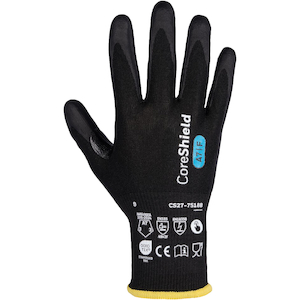
CS27-7518B
Cut Level: A7
Test Method: ASTM F2992-15
Puncture Level: 3
Test Method: ASTM F1342
Abrasion Level: 3
Test Method: ASTM D3389-10
ANSI/ISEA has released a new edition of the ANSI/ISEA 105 standard (2024 ed). The changes include a new standardized glove label for easier identification of key protection levels for both distributors and end-users. The new pentagon marking was created to simplify and standardize the identification of protective glove performance levels, including abrasion, cut, and puncture resistance. By consolidating this information into a single, easily recognizable label, it improves usability for workers and reduces the risk of selecting inadequate protection. Learn more.
New edition ANSI/ISEA 105-2024 outlines a new test method for determining cut scores and a revised scale from A1-A9. Click here for more information about the new testing standard.
The ANSI/ISEA 105-2024 standard outlines test methods for abrasion and is scored from 0-6. The ASTM D3389-10 is used for uncoated gloves and the end point (failure) is the number of abrasion cycles when the first thread or yarn is broken. The larger numbers of cycles indicates greater abrasion resistance of the product and a higher Abrasion Level.
The ANSI/ISEA 105-2024 blunt force puncture testing uses a probe to simulate a tear or burst hazard. The test measures the amount of force needed for a blunt probe to pierce through PPE material. Results are given in Newtons, which is converted into a 1-5 scale and spans from 10 newtons (Level 1) to 150+ newtons (Level 5) of puncture resistance.
EN 388 is a European Standard. Cut Level is determined by the number of cycles it takes a spinning circular blade, that is pulled across the material under a constant weight of 500 grams, to cut the fabric. As the number of cycles increase, so does the glove's ratings. Click here for more information about the EN 388 2016 standard.
EN 16350 European standard defines the test conditions and requirements for electrostatic properties of protective gloves used in ATEX area (Atmosphere Explosive). The vertical resistance must be below 108 Ω.
ESD is an acronym for electrostatic discharge. This discharge is the rapid transfer of static between two different objects. Although ESD doesn’t typically cause harm to the human body - you might only experience it as a small, surprising shock - it can cause extensive damage to electrical equipment and sensitive instruments. This damage may either be permanent, causing the device to malfunction (known as a catastrophic failure), or it may occur on a smaller scale that would be difficult to detect before the device is sent out for service (known as latent defect).

CLEARANCE
CS24-9D18B-V
Cut Level: A4
Test Method: ASTM F2992-15
Puncture Level: 3
Test Method: ASTM F1342
Abrasion Level: 3
Test Method: ASTM D3389-10
ANSI/ISEA has released a new edition of the ANSI/ISEA 105 standard (2024 ed). The changes include a new standardized glove label for easier identification of key protection levels for both distributors and end-users. The new pentagon marking was created to simplify and standardize the identification of protective glove performance levels, including abrasion, cut, and puncture resistance. By consolidating this information into a single, easily recognizable label, it improves usability for workers and reduces the risk of selecting inadequate protection. Learn more.
New edition ANSI/ISEA 105-2024 outlines a new test method for determining cut scores and a revised scale from A1-A9. Click here for more information about the new testing standard.
The ANSI/ISEA 105-2024 standard outlines test methods for abrasion and is scored from 0-6. The ASTM D3389-10 is used for uncoated gloves and the end point (failure) is the number of abrasion cycles when the first thread or yarn is broken. The larger numbers of cycles indicates greater abrasion resistance of the product and a higher Abrasion Level.
The ANSI/ISEA 105-2024 blunt force puncture testing uses a probe to simulate a tear or burst hazard. The test measures the amount of force needed for a blunt probe to pierce through PPE material. Results are given in Newtons, which is converted into a 1-5 scale and spans from 10 newtons (Level 1) to 150+ newtons (Level 5) of puncture resistance.
EN 388 is a European Standard. Cut Level is determined by the number of cycles it takes a spinning circular blade, that is pulled across the material under a constant weight of 500 grams, to cut the fabric. As the number of cycles increase, so does the glove's ratings. Click here for more information about the EN 388 2016 standard.
EN 16350 European standard defines the test conditions and requirements for electrostatic properties of protective gloves used in ATEX area (Atmosphere Explosive). The vertical resistance must be below 108 Ω.
ESD is an acronym for electrostatic discharge. This discharge is the rapid transfer of static between two different objects. Although ESD doesn’t typically cause harm to the human body - you might only experience it as a small, surprising shock - it can cause extensive damage to electrical equipment and sensitive instruments. This damage may either be permanent, causing the device to malfunction (known as a catastrophic failure), or it may occur on a smaller scale that would be difficult to detect before the device is sent out for service (known as latent defect).

NPF23-0118N-V
Cut Level: A3
Test Method: ASTM F2992-15
Puncture Level: 3
Test Method: ASTM F1342
Abrasion Level: 3
Test Method: ASTM D3389-10
ANSI/ISEA has released a new edition of the ANSI/ISEA 105 standard (2024 ed). The changes include a new standardized glove label for easier identification of key protection levels for both distributors and end-users. The new pentagon marking was created to simplify and standardize the identification of protective glove performance levels, including abrasion, cut, and puncture resistance. By consolidating this information into a single, easily recognizable label, it improves usability for workers and reduces the risk of selecting inadequate protection. Learn more.
New edition ANSI/ISEA 105-2024 outlines a new test method for determining cut scores and a revised scale from A1-A9. Click here for more information about the new testing standard.
The ANSI/ISEA 105-2024 standard outlines test methods for abrasion and is scored from 0-6. The ASTM D3389-10 is used for uncoated gloves and the end point (failure) is the number of abrasion cycles when the first thread or yarn is broken. The larger numbers of cycles indicates greater abrasion resistance of the product and a higher Abrasion Level.
The ANSI/ISEA 105-2024 blunt force puncture testing uses a probe to simulate a tear or burst hazard. The test measures the amount of force needed for a blunt probe to pierce through PPE material. Results are given in Newtons, which is converted into a 1-5 scale and spans from 10 newtons (Level 1) to 150+ newtons (Level 5) of puncture resistance.
EN 388 is a European Standard. Cut Level is determined by the number of cycles it takes a spinning circular blade, that is pulled across the material under a constant weight of 500 grams, to cut the fabric. As the number of cycles increase, so does the glove's ratings. Click here for more information about the EN 388 2016 standard.
EN 16350 European standard defines the test conditions and requirements for electrostatic properties of protective gloves used in ATEX area (Atmosphere Explosive). The vertical resistance must be below 108 Ω.
ESD is an acronym for electrostatic discharge. This discharge is the rapid transfer of static between two different objects. Although ESD doesn’t typically cause harm to the human body - you might only experience it as a small, surprising shock - it can cause extensive damage to electrical equipment and sensitive instruments. This damage may either be permanent, causing the device to malfunction (known as a catastrophic failure), or it may occur on a smaller scale that would be difficult to detect before the device is sent out for service (known as latent defect).

CLEARANCE
CS22-7515B
Cut Level: A2
Test Method: ASTM F2992-15
Puncture Level: 3
Test Method: ASTM F1342
Abrasion Level: 3
Test Method: ASTM D3389-10
ANSI/ISEA has released a new edition of the ANSI/ISEA 105 standard (2024 ed). The changes include a new standardized glove label for easier identification of key protection levels for both distributors and end-users. The new pentagon marking was created to simplify and standardize the identification of protective glove performance levels, including abrasion, cut, and puncture resistance. By consolidating this information into a single, easily recognizable label, it improves usability for workers and reduces the risk of selecting inadequate protection. Learn more.
New edition ANSI/ISEA 105-2024 outlines a new test method for determining cut scores and a revised scale from A1-A9. Click here for more information about the new testing standard.
The ANSI/ISEA 105-2024 standard outlines test methods for abrasion and is scored from 0-6. The ASTM D3389-10 is used for uncoated gloves and the end point (failure) is the number of abrasion cycles when the first thread or yarn is broken. The larger numbers of cycles indicates greater abrasion resistance of the product and a higher Abrasion Level.
The ANSI/ISEA 105-2024 blunt force puncture testing uses a probe to simulate a tear or burst hazard. The test measures the amount of force needed for a blunt probe to pierce through PPE material. Results are given in Newtons, which is converted into a 1-5 scale and spans from 10 newtons (Level 1) to 150+ newtons (Level 5) of puncture resistance.
EN 388 is a European Standard. Cut Level is determined by the number of cycles it takes a spinning circular blade, that is pulled across the material under a constant weight of 500 grams, to cut the fabric. As the number of cycles increase, so does the glove's ratings. Click here for more information about the EN 388 2016 standard.
EN 16350 European standard defines the test conditions and requirements for electrostatic properties of protective gloves used in ATEX area (Atmosphere Explosive). The vertical resistance must be below 108 Ω.
ESD is an acronym for electrostatic discharge. This discharge is the rapid transfer of static between two different objects. Although ESD doesn’t typically cause harm to the human body - you might only experience it as a small, surprising shock - it can cause extensive damage to electrical equipment and sensitive instruments. This damage may either be permanent, causing the device to malfunction (known as a catastrophic failure), or it may occur on a smaller scale that would be difficult to detect before the device is sent out for service (known as latent defect).

NPF23-0118N
Cut Level: A3
Test Method: ASTM F2992-15
Puncture Level: 3
Test Method: ASTM F1342
Abrasion Level: 3
Test Method: ASTM D3389-10
ANSI/ISEA has released a new edition of the ANSI/ISEA 105 standard (2024 ed). The changes include a new standardized glove label for easier identification of key protection levels for both distributors and end-users. The new pentagon marking was created to simplify and standardize the identification of protective glove performance levels, including abrasion, cut, and puncture resistance. By consolidating this information into a single, easily recognizable label, it improves usability for workers and reduces the risk of selecting inadequate protection. Learn more.
New edition ANSI/ISEA 105-2024 outlines a new test method for determining cut scores and a revised scale from A1-A9. Click here for more information about the new testing standard.
The ANSI/ISEA 105-2024 standard outlines test methods for abrasion and is scored from 0-6. The ASTM D3389-10 is used for uncoated gloves and the end point (failure) is the number of abrasion cycles when the first thread or yarn is broken. The larger numbers of cycles indicates greater abrasion resistance of the product and a higher Abrasion Level.
The ANSI/ISEA 105-2024 blunt force puncture testing uses a probe to simulate a tear or burst hazard. The test measures the amount of force needed for a blunt probe to pierce through PPE material. Results are given in Newtons, which is converted into a 1-5 scale and spans from 10 newtons (Level 1) to 150+ newtons (Level 5) of puncture resistance.
EN 388 is a European Standard. Cut Level is determined by the number of cycles it takes a spinning circular blade, that is pulled across the material under a constant weight of 500 grams, to cut the fabric. As the number of cycles increase, so does the glove's ratings. Click here for more information about the EN 388 2016 standard.
EN 16350 European standard defines the test conditions and requirements for electrostatic properties of protective gloves used in ATEX area (Atmosphere Explosive). The vertical resistance must be below 108 Ω.
ESD is an acronym for electrostatic discharge. This discharge is the rapid transfer of static between two different objects. Although ESD doesn’t typically cause harm to the human body - you might only experience it as a small, surprising shock - it can cause extensive damage to electrical equipment and sensitive instruments. This damage may either be permanent, causing the device to malfunction (known as a catastrophic failure), or it may occur on a smaller scale that would be difficult to detect before the device is sent out for service (known as latent defect).

CLEARANCE
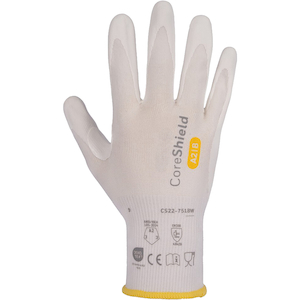
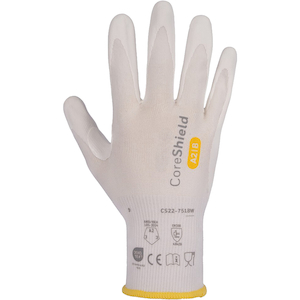
CS22-7518W
Cut Level: A2
Test Method: ASTM F2992-15
Puncture Level: 3
Test Method: ASTM F1342
Abrasion Level: 3
Test Method: ASTM D3389-10
ANSI/ISEA has released a new edition of the ANSI/ISEA 105 standard (2024 ed). The changes include a new standardized glove label for easier identification of key protection levels for both distributors and end-users. The new pentagon marking was created to simplify and standardize the identification of protective glove performance levels, including abrasion, cut, and puncture resistance. By consolidating this information into a single, easily recognizable label, it improves usability for workers and reduces the risk of selecting inadequate protection. Learn more.
New edition ANSI/ISEA 105-2024 outlines a new test method for determining cut scores and a revised scale from A1-A9. Click here for more information about the new testing standard.
The ANSI/ISEA 105-2024 standard outlines test methods for abrasion and is scored from 0-6. The ASTM D3389-10 is used for uncoated gloves and the end point (failure) is the number of abrasion cycles when the first thread or yarn is broken. The larger numbers of cycles indicates greater abrasion resistance of the product and a higher Abrasion Level.
The ANSI/ISEA 105-2024 blunt force puncture testing uses a probe to simulate a tear or burst hazard. The test measures the amount of force needed for a blunt probe to pierce through PPE material. Results are given in Newtons, which is converted into a 1-5 scale and spans from 10 newtons (Level 1) to 150+ newtons (Level 5) of puncture resistance.
EN 388 is a European Standard. Cut Level is determined by the number of cycles it takes a spinning circular blade, that is pulled across the material under a constant weight of 500 grams, to cut the fabric. As the number of cycles increase, so does the glove's ratings. Click here for more information about the EN 388 2016 standard.
EN 16350 European standard defines the test conditions and requirements for electrostatic properties of protective gloves used in ATEX area (Atmosphere Explosive). The vertical resistance must be below 108 Ω.
ESD is an acronym for electrostatic discharge. This discharge is the rapid transfer of static between two different objects. Although ESD doesn’t typically cause harm to the human body - you might only experience it as a small, surprising shock - it can cause extensive damage to electrical equipment and sensitive instruments. This damage may either be permanent, causing the device to malfunction (known as a catastrophic failure), or it may occur on a smaller scale that would be difficult to detect before the device is sent out for service (known as latent defect).

NPF25-0118N
Cut Level: A5
Test Method: ASTM F2992-15
Puncture Level: 3
Test Method: ASTM F1342
Abrasion Level: 3
Test Method: ASTM D3389-10
ANSI/ISEA has released a new edition of the ANSI/ISEA 105 standard (2024 ed). The changes include a new standardized glove label for easier identification of key protection levels for both distributors and end-users. The new pentagon marking was created to simplify and standardize the identification of protective glove performance levels, including abrasion, cut, and puncture resistance. By consolidating this information into a single, easily recognizable label, it improves usability for workers and reduces the risk of selecting inadequate protection. Learn more.
New edition ANSI/ISEA 105-2024 outlines a new test method for determining cut scores and a revised scale from A1-A9. Click here for more information about the new testing standard.
The ANSI/ISEA 105-2024 standard outlines test methods for abrasion and is scored from 0-6. The ASTM D3389-10 is used for uncoated gloves and the end point (failure) is the number of abrasion cycles when the first thread or yarn is broken. The larger numbers of cycles indicates greater abrasion resistance of the product and a higher Abrasion Level.
The ANSI/ISEA 105-2024 blunt force puncture testing uses a probe to simulate a tear or burst hazard. The test measures the amount of force needed for a blunt probe to pierce through PPE material. Results are given in Newtons, which is converted into a 1-5 scale and spans from 10 newtons (Level 1) to 150+ newtons (Level 5) of puncture resistance.
EN 388 is a European Standard. Cut Level is determined by the number of cycles it takes a spinning circular blade, that is pulled across the material under a constant weight of 500 grams, to cut the fabric. As the number of cycles increase, so does the glove's ratings. Click here for more information about the EN 388 2016 standard.
EN 16350 European standard defines the test conditions and requirements for electrostatic properties of protective gloves used in ATEX area (Atmosphere Explosive). The vertical resistance must be below 108 Ω.
ESD is an acronym for electrostatic discharge. This discharge is the rapid transfer of static between two different objects. Although ESD doesn’t typically cause harm to the human body - you might only experience it as a small, surprising shock - it can cause extensive damage to electrical equipment and sensitive instruments. This damage may either be permanent, causing the device to malfunction (known as a catastrophic failure), or it may occur on a smaller scale that would be difficult to detect before the device is sent out for service (known as latent defect).

CLEARANCE
CS26-7518B-V
Cut Level: A6
Test Method: ASTM F2992-15
Puncture Level: 3
Test Method: ASTM F1342
Abrasion Level: 3
Test Method: ASTM D3389-10
ANSI/ISEA has released a new edition of the ANSI/ISEA 105 standard (2024 ed). The changes include a new standardized glove label for easier identification of key protection levels for both distributors and end-users. The new pentagon marking was created to simplify and standardize the identification of protective glove performance levels, including abrasion, cut, and puncture resistance. By consolidating this information into a single, easily recognizable label, it improves usability for workers and reduces the risk of selecting inadequate protection. Learn more.
New edition ANSI/ISEA 105-2024 outlines a new test method for determining cut scores and a revised scale from A1-A9. Click here for more information about the new testing standard.
The ANSI/ISEA 105-2024 standard outlines test methods for abrasion and is scored from 0-6. The ASTM D3389-10 is used for uncoated gloves and the end point (failure) is the number of abrasion cycles when the first thread or yarn is broken. The larger numbers of cycles indicates greater abrasion resistance of the product and a higher Abrasion Level.
The ANSI/ISEA 105-2024 blunt force puncture testing uses a probe to simulate a tear or burst hazard. The test measures the amount of force needed for a blunt probe to pierce through PPE material. Results are given in Newtons, which is converted into a 1-5 scale and spans from 10 newtons (Level 1) to 150+ newtons (Level 5) of puncture resistance.
EN 388 is a European Standard. Cut Level is determined by the number of cycles it takes a spinning circular blade, that is pulled across the material under a constant weight of 500 grams, to cut the fabric. As the number of cycles increase, so does the glove's ratings. Click here for more information about the EN 388 2016 standard.
EN 16350 European standard defines the test conditions and requirements for electrostatic properties of protective gloves used in ATEX area (Atmosphere Explosive). The vertical resistance must be below 108 Ω.
ESD is an acronym for electrostatic discharge. This discharge is the rapid transfer of static between two different objects. Although ESD doesn’t typically cause harm to the human body - you might only experience it as a small, surprising shock - it can cause extensive damage to electrical equipment and sensitive instruments. This damage may either be permanent, causing the device to malfunction (known as a catastrophic failure), or it may occur on a smaller scale that would be difficult to detect before the device is sent out for service (known as latent defect).

CLEARANCE
CS23-7515B
Cut Level: A3
Test Method: ASTM F2992-15
Puncture Level: 3
Test Method: ASTM F1342
Abrasion Level: 3
Test Method: ASTM D3389-10
ANSI/ISEA has released a new edition of the ANSI/ISEA 105 standard (2024 ed). The changes include a new standardized glove label for easier identification of key protection levels for both distributors and end-users. The new pentagon marking was created to simplify and standardize the identification of protective glove performance levels, including abrasion, cut, and puncture resistance. By consolidating this information into a single, easily recognizable label, it improves usability for workers and reduces the risk of selecting inadequate protection. Learn more.
New edition ANSI/ISEA 105-2024 outlines a new test method for determining cut scores and a revised scale from A1-A9. Click here for more information about the new testing standard.
The ANSI/ISEA 105-2024 standard outlines test methods for abrasion and is scored from 0-6. The ASTM D3389-10 is used for uncoated gloves and the end point (failure) is the number of abrasion cycles when the first thread or yarn is broken. The larger numbers of cycles indicates greater abrasion resistance of the product and a higher Abrasion Level.
The ANSI/ISEA 105-2024 blunt force puncture testing uses a probe to simulate a tear or burst hazard. The test measures the amount of force needed for a blunt probe to pierce through PPE material. Results are given in Newtons, which is converted into a 1-5 scale and spans from 10 newtons (Level 1) to 150+ newtons (Level 5) of puncture resistance.
EN 388 is a European Standard. Cut Level is determined by the number of cycles it takes a spinning circular blade, that is pulled across the material under a constant weight of 500 grams, to cut the fabric. As the number of cycles increase, so does the glove's ratings. Click here for more information about the EN 388 2016 standard.
EN 16350 European standard defines the test conditions and requirements for electrostatic properties of protective gloves used in ATEX area (Atmosphere Explosive). The vertical resistance must be below 108 Ω.
ESD is an acronym for electrostatic discharge. This discharge is the rapid transfer of static between two different objects. Although ESD doesn’t typically cause harm to the human body - you might only experience it as a small, surprising shock - it can cause extensive damage to electrical equipment and sensitive instruments. This damage may either be permanent, causing the device to malfunction (known as a catastrophic failure), or it may occur on a smaller scale that would be difficult to detect before the device is sent out for service (known as latent defect).

CLEARANCE
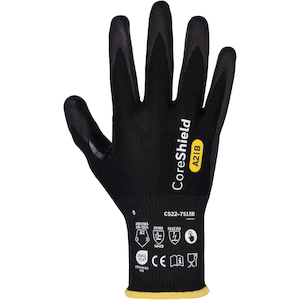
CS22-7518B
Cut Level: A2
Test Method: ASTM F2992-15
Puncture Level: 3
Test Method: ASTM F1342
Abrasion Level: 3
Test Method: ASTM D3389-10
ANSI/ISEA has released a new edition of the ANSI/ISEA 105 standard (2024 ed). The changes include a new standardized glove label for easier identification of key protection levels for both distributors and end-users. The new pentagon marking was created to simplify and standardize the identification of protective glove performance levels, including abrasion, cut, and puncture resistance. By consolidating this information into a single, easily recognizable label, it improves usability for workers and reduces the risk of selecting inadequate protection. Learn more.
New edition ANSI/ISEA 105-2024 outlines a new test method for determining cut scores and a revised scale from A1-A9. Click here for more information about the new testing standard.
The ANSI/ISEA 105-2024 standard outlines test methods for abrasion and is scored from 0-6. The ASTM D3389-10 is used for uncoated gloves and the end point (failure) is the number of abrasion cycles when the first thread or yarn is broken. The larger numbers of cycles indicates greater abrasion resistance of the product and a higher Abrasion Level.
The ANSI/ISEA 105-2024 blunt force puncture testing uses a probe to simulate a tear or burst hazard. The test measures the amount of force needed for a blunt probe to pierce through PPE material. Results are given in Newtons, which is converted into a 1-5 scale and spans from 10 newtons (Level 1) to 150+ newtons (Level 5) of puncture resistance.
EN 388 is a European Standard. Cut Level is determined by the number of cycles it takes a spinning circular blade, that is pulled across the material under a constant weight of 500 grams, to cut the fabric. As the number of cycles increase, so does the glove's ratings. Click here for more information about the EN 388 2016 standard.
EN 16350 European standard defines the test conditions and requirements for electrostatic properties of protective gloves used in ATEX area (Atmosphere Explosive). The vertical resistance must be below 108 Ω.
ESD is an acronym for electrostatic discharge. This discharge is the rapid transfer of static between two different objects. Although ESD doesn’t typically cause harm to the human body - you might only experience it as a small, surprising shock - it can cause extensive damage to electrical equipment and sensitive instruments. This damage may either be permanent, causing the device to malfunction (known as a catastrophic failure), or it may occur on a smaller scale that would be difficult to detect before the device is sent out for service (known as latent defect).

CLEARANCE
CS22-7518B-V
Cut Level: A2
Test Method: ASTM F2992-15
Puncture Level: 3
Test Method: ASTM F1342
Abrasion Level: 3
Test Method: ASTM D3389-10
ANSI/ISEA has released a new edition of the ANSI/ISEA 105 standard (2024 ed). The changes include a new standardized glove label for easier identification of key protection levels for both distributors and end-users. The new pentagon marking was created to simplify and standardize the identification of protective glove performance levels, including abrasion, cut, and puncture resistance. By consolidating this information into a single, easily recognizable label, it improves usability for workers and reduces the risk of selecting inadequate protection. Learn more.
New edition ANSI/ISEA 105-2024 outlines a new test method for determining cut scores and a revised scale from A1-A9. Click here for more information about the new testing standard.
The ANSI/ISEA 105-2024 standard outlines test methods for abrasion and is scored from 0-6. The ASTM D3389-10 is used for uncoated gloves and the end point (failure) is the number of abrasion cycles when the first thread or yarn is broken. The larger numbers of cycles indicates greater abrasion resistance of the product and a higher Abrasion Level.
The ANSI/ISEA 105-2024 blunt force puncture testing uses a probe to simulate a tear or burst hazard. The test measures the amount of force needed for a blunt probe to pierce through PPE material. Results are given in Newtons, which is converted into a 1-5 scale and spans from 10 newtons (Level 1) to 150+ newtons (Level 5) of puncture resistance.
EN 388 is a European Standard. Cut Level is determined by the number of cycles it takes a spinning circular blade, that is pulled across the material under a constant weight of 500 grams, to cut the fabric. As the number of cycles increase, so does the glove's ratings. Click here for more information about the EN 388 2016 standard.
EN 16350 European standard defines the test conditions and requirements for electrostatic properties of protective gloves used in ATEX area (Atmosphere Explosive). The vertical resistance must be below 108 Ω.
ESD is an acronym for electrostatic discharge. This discharge is the rapid transfer of static between two different objects. Although ESD doesn’t typically cause harm to the human body - you might only experience it as a small, surprising shock - it can cause extensive damage to electrical equipment and sensitive instruments. This damage may either be permanent, causing the device to malfunction (known as a catastrophic failure), or it may occur on a smaller scale that would be difficult to detect before the device is sent out for service (known as latent defect).

CLEARANCE
CS22-2D18B-V
Cut Level: A2
Test Method: ASTM F2992-15
Puncture Level: 3
Test Method: ASTM F1342
Abrasion Level: 3
Test Method: ASTM D3389-10
ANSI/ISEA has released a new edition of the ANSI/ISEA 105 standard (2024 ed). The changes include a new standardized glove label for easier identification of key protection levels for both distributors and end-users. The new pentagon marking was created to simplify and standardize the identification of protective glove performance levels, including abrasion, cut, and puncture resistance. By consolidating this information into a single, easily recognizable label, it improves usability for workers and reduces the risk of selecting inadequate protection. Learn more.
New edition ANSI/ISEA 105-2024 outlines a new test method for determining cut scores and a revised scale from A1-A9. Click here for more information about the new testing standard.
The ANSI/ISEA 105-2024 standard outlines test methods for abrasion and is scored from 0-6. The ASTM D3389-10 is used for uncoated gloves and the end point (failure) is the number of abrasion cycles when the first thread or yarn is broken. The larger numbers of cycles indicates greater abrasion resistance of the product and a higher Abrasion Level.
The ANSI/ISEA 105-2024 blunt force puncture testing uses a probe to simulate a tear or burst hazard. The test measures the amount of force needed for a blunt probe to pierce through PPE material. Results are given in Newtons, which is converted into a 1-5 scale and spans from 10 newtons (Level 1) to 150+ newtons (Level 5) of puncture resistance.
EN 388 is a European Standard. Cut Level is determined by the number of cycles it takes a spinning circular blade, that is pulled across the material under a constant weight of 500 grams, to cut the fabric. As the number of cycles increase, so does the glove's ratings. Click here for more information about the EN 388 2016 standard.
EN 16350 European standard defines the test conditions and requirements for electrostatic properties of protective gloves used in ATEX area (Atmosphere Explosive). The vertical resistance must be below 108 Ω.
ESD is an acronym for electrostatic discharge. This discharge is the rapid transfer of static between two different objects. Although ESD doesn’t typically cause harm to the human body - you might only experience it as a small, surprising shock - it can cause extensive damage to electrical equipment and sensitive instruments. This damage may either be permanent, causing the device to malfunction (known as a catastrophic failure), or it may occur on a smaller scale that would be difficult to detect before the device is sent out for service (known as latent defect).

CLEARANCE
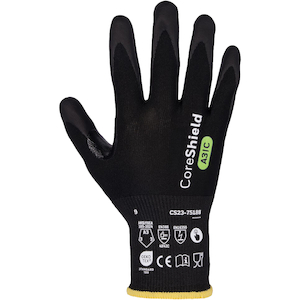
CS23-7518B
Cut Level: A3
Test Method: ASTM F2992-15
Puncture Level: 3
Test Method: ASTM F1342
Abrasion Level: 3
Test Method: ASTM D3389-10
ANSI/ISEA has released a new edition of the ANSI/ISEA 105 standard (2024 ed). The changes include a new standardized glove label for easier identification of key protection levels for both distributors and end-users. The new pentagon marking was created to simplify and standardize the identification of protective glove performance levels, including abrasion, cut, and puncture resistance. By consolidating this information into a single, easily recognizable label, it improves usability for workers and reduces the risk of selecting inadequate protection. Learn more.
New edition ANSI/ISEA 105-2024 outlines a new test method for determining cut scores and a revised scale from A1-A9. Click here for more information about the new testing standard.
The ANSI/ISEA 105-2024 standard outlines test methods for abrasion and is scored from 0-6. The ASTM D3389-10 is used for uncoated gloves and the end point (failure) is the number of abrasion cycles when the first thread or yarn is broken. The larger numbers of cycles indicates greater abrasion resistance of the product and a higher Abrasion Level.
The ANSI/ISEA 105-2024 blunt force puncture testing uses a probe to simulate a tear or burst hazard. The test measures the amount of force needed for a blunt probe to pierce through PPE material. Results are given in Newtons, which is converted into a 1-5 scale and spans from 10 newtons (Level 1) to 150+ newtons (Level 5) of puncture resistance.
EN 388 is a European Standard. Cut Level is determined by the number of cycles it takes a spinning circular blade, that is pulled across the material under a constant weight of 500 grams, to cut the fabric. As the number of cycles increase, so does the glove's ratings. Click here for more information about the EN 388 2016 standard.
EN 16350 European standard defines the test conditions and requirements for electrostatic properties of protective gloves used in ATEX area (Atmosphere Explosive). The vertical resistance must be below 108 Ω.
ESD is an acronym for electrostatic discharge. This discharge is the rapid transfer of static between two different objects. Although ESD doesn’t typically cause harm to the human body - you might only experience it as a small, surprising shock - it can cause extensive damage to electrical equipment and sensitive instruments. This damage may either be permanent, causing the device to malfunction (known as a catastrophic failure), or it may occur on a smaller scale that would be difficult to detect before the device is sent out for service (known as latent defect).

CLEARANCE
CS22-7518W-V
Cut Level: A2
Test Method: ASTM F2992-15
Puncture Level: 3
Test Method: ASTM F1342
Abrasion Level: 3
Test Method: ASTM D3389-10
ANSI/ISEA has released a new edition of the ANSI/ISEA 105 standard (2024 ed). The changes include a new standardized glove label for easier identification of key protection levels for both distributors and end-users. The new pentagon marking was created to simplify and standardize the identification of protective glove performance levels, including abrasion, cut, and puncture resistance. By consolidating this information into a single, easily recognizable label, it improves usability for workers and reduces the risk of selecting inadequate protection. Learn more.
New edition ANSI/ISEA 105-2024 outlines a new test method for determining cut scores and a revised scale from A1-A9. Click here for more information about the new testing standard.
The ANSI/ISEA 105-2024 standard outlines test methods for abrasion and is scored from 0-6. The ASTM D3389-10 is used for uncoated gloves and the end point (failure) is the number of abrasion cycles when the first thread or yarn is broken. The larger numbers of cycles indicates greater abrasion resistance of the product and a higher Abrasion Level.
The ANSI/ISEA 105-2024 blunt force puncture testing uses a probe to simulate a tear or burst hazard. The test measures the amount of force needed for a blunt probe to pierce through PPE material. Results are given in Newtons, which is converted into a 1-5 scale and spans from 10 newtons (Level 1) to 150+ newtons (Level 5) of puncture resistance.
EN 388 is a European Standard. Cut Level is determined by the number of cycles it takes a spinning circular blade, that is pulled across the material under a constant weight of 500 grams, to cut the fabric. As the number of cycles increase, so does the glove's ratings. Click here for more information about the EN 388 2016 standard.
EN 16350 European standard defines the test conditions and requirements for electrostatic properties of protective gloves used in ATEX area (Atmosphere Explosive). The vertical resistance must be below 108 Ω.
ESD is an acronym for electrostatic discharge. This discharge is the rapid transfer of static between two different objects. Although ESD doesn’t typically cause harm to the human body - you might only experience it as a small, surprising shock - it can cause extensive damage to electrical equipment and sensitive instruments. This damage may either be permanent, causing the device to malfunction (known as a catastrophic failure), or it may occur on a smaller scale that would be difficult to detect before the device is sent out for service (known as latent defect).

CS24-7518B
Cut Level: A4
Test Method: ASTM F2992-15
Puncture Level: 3
Test Method: ASTM F1342
Abrasion Level: 3
Test Method: ASTM D3389-10
ANSI/ISEA has released a new edition of the ANSI/ISEA 105 standard (2024 ed). The changes include a new standardized glove label for easier identification of key protection levels for both distributors and end-users. The new pentagon marking was created to simplify and standardize the identification of protective glove performance levels, including abrasion, cut, and puncture resistance. By consolidating this information into a single, easily recognizable label, it improves usability for workers and reduces the risk of selecting inadequate protection. Learn more.
New edition ANSI/ISEA 105-2024 outlines a new test method for determining cut scores and a revised scale from A1-A9. Click here for more information about the new testing standard.
The ANSI/ISEA 105-2024 standard outlines test methods for abrasion and is scored from 0-6. The ASTM D3389-10 is used for uncoated gloves and the end point (failure) is the number of abrasion cycles when the first thread or yarn is broken. The larger numbers of cycles indicates greater abrasion resistance of the product and a higher Abrasion Level.
The ANSI/ISEA 105-2024 blunt force puncture testing uses a probe to simulate a tear or burst hazard. The test measures the amount of force needed for a blunt probe to pierce through PPE material. Results are given in Newtons, which is converted into a 1-5 scale and spans from 10 newtons (Level 1) to 150+ newtons (Level 5) of puncture resistance.
EN 388 is a European Standard. Cut Level is determined by the number of cycles it takes a spinning circular blade, that is pulled across the material under a constant weight of 500 grams, to cut the fabric. As the number of cycles increase, so does the glove's ratings. Click here for more information about the EN 388 2016 standard.
EN 16350 European standard defines the test conditions and requirements for electrostatic properties of protective gloves used in ATEX area (Atmosphere Explosive). The vertical resistance must be below 108 Ω.
ESD is an acronym for electrostatic discharge. This discharge is the rapid transfer of static between two different objects. Although ESD doesn’t typically cause harm to the human body - you might only experience it as a small, surprising shock - it can cause extensive damage to electrical equipment and sensitive instruments. This damage may either be permanent, causing the device to malfunction (known as a catastrophic failure), or it may occur on a smaller scale that would be difficult to detect before the device is sent out for service (known as latent defect).

CLEARANCE
CS25-7518B-V
Cut Level: A5
Test Method: ASTM F2992-15
Puncture Level: 3
Test Method: ASTM F1342
Abrasion Level: 3
Test Method: ASTM D3389-10
ANSI/ISEA has released a new edition of the ANSI/ISEA 105 standard (2024 ed). The changes include a new standardized glove label for easier identification of key protection levels for both distributors and end-users. The new pentagon marking was created to simplify and standardize the identification of protective glove performance levels, including abrasion, cut, and puncture resistance. By consolidating this information into a single, easily recognizable label, it improves usability for workers and reduces the risk of selecting inadequate protection. Learn more.
New edition ANSI/ISEA 105-2024 outlines a new test method for determining cut scores and a revised scale from A1-A9. Click here for more information about the new testing standard.
The ANSI/ISEA 105-2024 standard outlines test methods for abrasion and is scored from 0-6. The ASTM D3389-10 is used for uncoated gloves and the end point (failure) is the number of abrasion cycles when the first thread or yarn is broken. The larger numbers of cycles indicates greater abrasion resistance of the product and a higher Abrasion Level.
The ANSI/ISEA 105-2024 blunt force puncture testing uses a probe to simulate a tear or burst hazard. The test measures the amount of force needed for a blunt probe to pierce through PPE material. Results are given in Newtons, which is converted into a 1-5 scale and spans from 10 newtons (Level 1) to 150+ newtons (Level 5) of puncture resistance.
EN 388 is a European Standard. Cut Level is determined by the number of cycles it takes a spinning circular blade, that is pulled across the material under a constant weight of 500 grams, to cut the fabric. As the number of cycles increase, so does the glove's ratings. Click here for more information about the EN 388 2016 standard.
EN 16350 European standard defines the test conditions and requirements for electrostatic properties of protective gloves used in ATEX area (Atmosphere Explosive). The vertical resistance must be below 108 Ω.
ESD is an acronym for electrostatic discharge. This discharge is the rapid transfer of static between two different objects. Although ESD doesn’t typically cause harm to the human body - you might only experience it as a small, surprising shock - it can cause extensive damage to electrical equipment and sensitive instruments. This damage may either be permanent, causing the device to malfunction (known as a catastrophic failure), or it may occur on a smaller scale that would be difficult to detect before the device is sent out for service (known as latent defect).

CLEARANCE
CS22-2D18B
Cut Level: A2
Test Method: ASTM F2992-15
Puncture Level: 3
Test Method: ASTM F1342
Abrasion Level: 3
Test Method: ASTM D3389-10
ANSI/ISEA has released a new edition of the ANSI/ISEA 105 standard (2024 ed). The changes include a new standardized glove label for easier identification of key protection levels for both distributors and end-users. The new pentagon marking was created to simplify and standardize the identification of protective glove performance levels, including abrasion, cut, and puncture resistance. By consolidating this information into a single, easily recognizable label, it improves usability for workers and reduces the risk of selecting inadequate protection. Learn more.
New edition ANSI/ISEA 105-2024 outlines a new test method for determining cut scores and a revised scale from A1-A9. Click here for more information about the new testing standard.
The ANSI/ISEA 105-2024 standard outlines test methods for abrasion and is scored from 0-6. The ASTM D3389-10 is used for uncoated gloves and the end point (failure) is the number of abrasion cycles when the first thread or yarn is broken. The larger numbers of cycles indicates greater abrasion resistance of the product and a higher Abrasion Level.
The ANSI/ISEA 105-2024 blunt force puncture testing uses a probe to simulate a tear or burst hazard. The test measures the amount of force needed for a blunt probe to pierce through PPE material. Results are given in Newtons, which is converted into a 1-5 scale and spans from 10 newtons (Level 1) to 150+ newtons (Level 5) of puncture resistance.
EN 388 is a European Standard. Cut Level is determined by the number of cycles it takes a spinning circular blade, that is pulled across the material under a constant weight of 500 grams, to cut the fabric. As the number of cycles increase, so does the glove's ratings. Click here for more information about the EN 388 2016 standard.
EN 16350 European standard defines the test conditions and requirements for electrostatic properties of protective gloves used in ATEX area (Atmosphere Explosive). The vertical resistance must be below 108 Ω.
ESD is an acronym for electrostatic discharge. This discharge is the rapid transfer of static between two different objects. Although ESD doesn’t typically cause harm to the human body - you might only experience it as a small, surprising shock - it can cause extensive damage to electrical equipment and sensitive instruments. This damage may either be permanent, causing the device to malfunction (known as a catastrophic failure), or it may occur on a smaller scale that would be difficult to detect before the device is sent out for service (known as latent defect).

CLEARANCE
CS27-7518B-V
Cut Level: A7
Test Method: ASTM F2992-15
Puncture Level: 3
Test Method: ASTM F1342
Abrasion Level: 3
Test Method: ASTM D3389-10
ANSI/ISEA has released a new edition of the ANSI/ISEA 105 standard (2024 ed). The changes include a new standardized glove label for easier identification of key protection levels for both distributors and end-users. The new pentagon marking was created to simplify and standardize the identification of protective glove performance levels, including abrasion, cut, and puncture resistance. By consolidating this information into a single, easily recognizable label, it improves usability for workers and reduces the risk of selecting inadequate protection. Learn more.
New edition ANSI/ISEA 105-2024 outlines a new test method for determining cut scores and a revised scale from A1-A9. Click here for more information about the new testing standard.
The ANSI/ISEA 105-2024 standard outlines test methods for abrasion and is scored from 0-6. The ASTM D3389-10 is used for uncoated gloves and the end point (failure) is the number of abrasion cycles when the first thread or yarn is broken. The larger numbers of cycles indicates greater abrasion resistance of the product and a higher Abrasion Level.
The ANSI/ISEA 105-2024 blunt force puncture testing uses a probe to simulate a tear or burst hazard. The test measures the amount of force needed for a blunt probe to pierce through PPE material. Results are given in Newtons, which is converted into a 1-5 scale and spans from 10 newtons (Level 1) to 150+ newtons (Level 5) of puncture resistance.
EN 388 is a European Standard. Cut Level is determined by the number of cycles it takes a spinning circular blade, that is pulled across the material under a constant weight of 500 grams, to cut the fabric. As the number of cycles increase, so does the glove's ratings. Click here for more information about the EN 388 2016 standard.
EN 16350 European standard defines the test conditions and requirements for electrostatic properties of protective gloves used in ATEX area (Atmosphere Explosive). The vertical resistance must be below 108 Ω.
ESD is an acronym for electrostatic discharge. This discharge is the rapid transfer of static between two different objects. Although ESD doesn’t typically cause harm to the human body - you might only experience it as a small, surprising shock - it can cause extensive damage to electrical equipment and sensitive instruments. This damage may either be permanent, causing the device to malfunction (known as a catastrophic failure), or it may occur on a smaller scale that would be difficult to detect before the device is sent out for service (known as latent defect).
Privacy Policy | Cookie Preference | Contact Us | Full Site
© 2012-2026 Protective Industrial Products, Inc. All rights reserved.
CALL US TODAY: (514) 409-2859
CUSTOMER SERVICE DIRECT: (877) 446-3278